


Since 2020, the last seven caribou of the Val-d’Or herd have lived in a 14-hectare forested enclosure, just south of the town of Abitibi-Témiscamingue in northwest Quebec. There were nine individuals alive when they were first captured six years ago — down from about 40 in the 1990s — but two have died since then, and the herd saw no new births this year.
“It’s like a zoo, they are in a cage at this time. … A caribou is always on the move. If they’re not moving, there’s something wrong,” Lucien Wabanonik, Chief of the Lac Simon Anishnabe Nation, says of the famously roaming ungulates who need undisturbed old-growth forests to elude predators.
Summary
In July, Lac Simon filed a lawsuit against the federal government, arguing that it has failed to protect the caribou, and in doing so failed to protect its constitutional right to hunt. In the 1980s, while Wabanonik was returning home from Montreal, a herd of 20 or so caribou crossed the road in front of him. Back then, he didn’t realize how quickly the population was declining, as forestry and mining projects — the foundation of the region’s economy for the last century — transformed the landscape. “There’s nothing much left in our area of Abitibi-Témiscamingue in terms of mature areas where forest is untouched,” the chief says of his region, home to the province’s third largest forestry sector.
In 2003, the boreal caribou were listed as threatened under the federal Species At Risk Act. In 2024, then-Minister of Environment and Climate Change, Steven Guilbeault, recommended cabinet make an emergency order to save the boreal caribou in Quebec from imminent threat of extinction. Since then, according to the nation’s legal filings, the federal government has conducted multiple rounds of consultation with Lac Simon, but despite the urgency of the situation, nothing has changed for the caribou and the herd continues to dwindle.
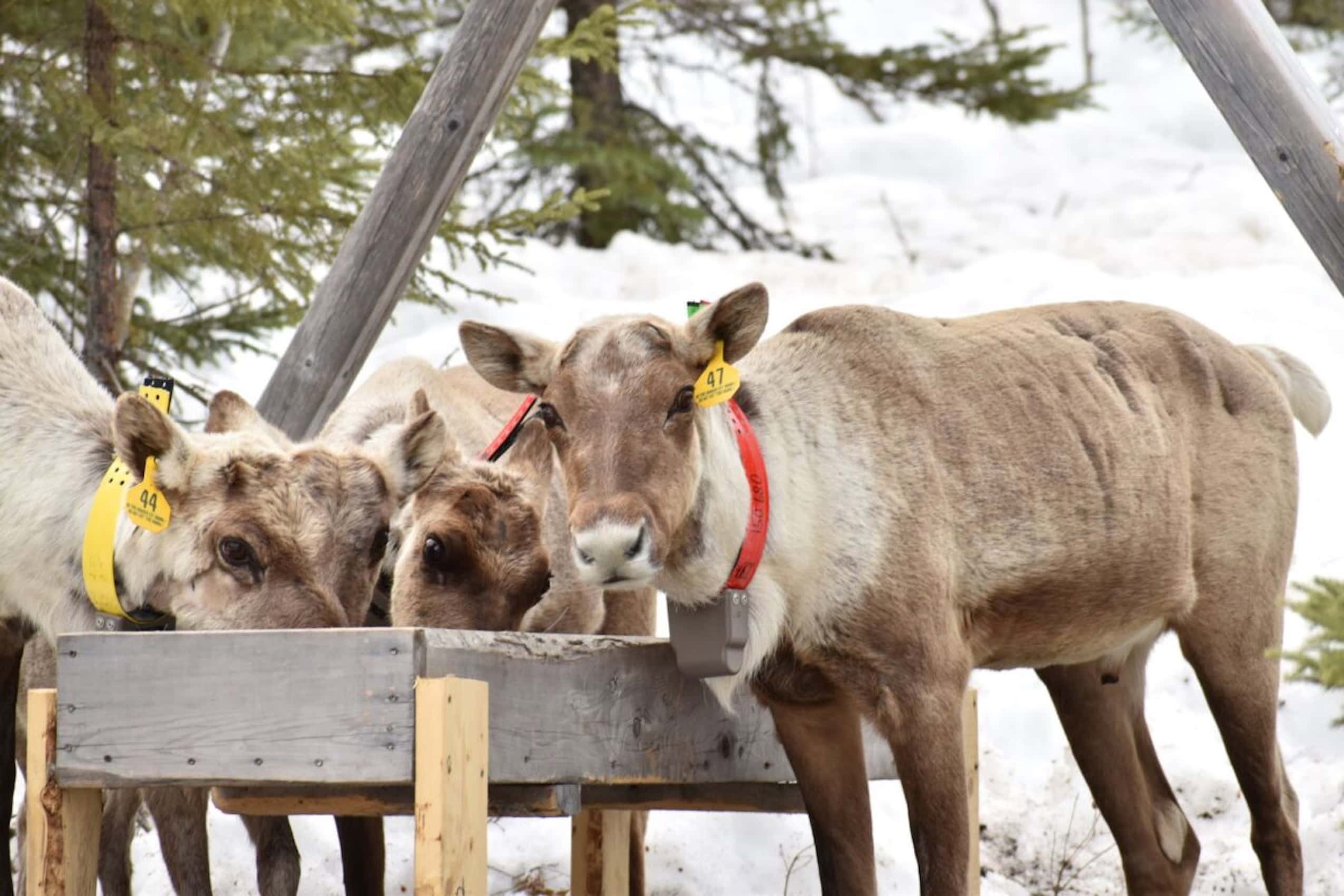
Since 2020, the surviving members of the Val-d’Or caribou The herd have lived in a fenced enclosure. Environment and Climate Change Canada estimates only one-third of their habitat remains intact, not enough to ensure their survival if released. Photo: Supplied by Andréanne Lord / Conseil de la Nation Anishnabe de Lac Simon
Amir Attaran, lawyer for the Algonquin Anishinabeg Nation Tribal Council, believes the consultations were a stalling tactic. “Anyone who works in Aboriginal law will have the experience of, when government wants to get something done, they don’t consult, or they consult within a month. When government wants to delay, they’ll consult for years.”
In an email, Environment and Climate Change Canada told The Narwhal it cannot comment on a matter that is before the courts. It added, “As stated in the Agreement for the Recovery and Protection of Caribou in Quebec, the Government of Canada reaffirms its commitment to working with and consulting Indigenous organizations and peoples in Quebec.”

